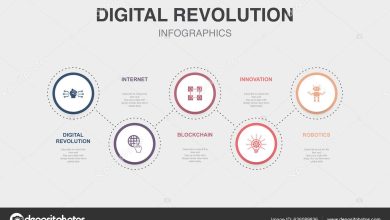
Tech innovation sets the stage for this enthralling narrative, offering readers a glimpse into a story that is rich in detail and brimming with originality. From successful outcomes to driving progress, the impact of tech innovation is profound and far-reaching.
As we delve deeper into the realm of tech innovation, we uncover the diverse types, driving factors, challenges, ethical considerations, global trends, future prospects, and its impact on the job market. This exploration sheds light on the fascinating world of innovation and its implications for businesses and society at large.






Overview of Tech Innovation
Tech innovation refers to the creation and development of new technologies or the improvement of existing ones to solve problems, enhance efficiency, and drive progress in various fields. In today’s fast-paced world, tech innovation plays a crucial role in shaping the way we live, work, and interact with the world around us.
The impact of tech innovation can be seen across different industries, revolutionizing processes, products, and services. From healthcare and finance to transportation and communication, technology has transformed the way businesses operate and individuals engage with information and services.
Examples of Successful Tech Innovations and Their Outcomes
- The advent of smartphones revolutionized communication and brought the world to our fingertips, enabling instant access to information, entertainment, and services.
- Artificial intelligence (AI) has transformed industries like healthcare, finance, and manufacturing by streamlining processes, improving decision-making, and enabling predictive analytics.
- Blockchain technology has disrupted the financial sector by providing secure and transparent transactions through decentralized systems like cryptocurrencies.
- 3D printing has revolutionized manufacturing processes, allowing for rapid prototyping, customization, and cost-effective production of complex designs.
Types of Tech Innovation
In the realm of technology, innovation comes in various forms, each contributing uniquely to the advancement of industries and society as a whole.
Product Innovation
Product innovation involves the creation of new or improved goods or services that meet the changing needs and demands of consumers. This type of innovation typically focuses on enhancing features, functionality, or design to offer a competitive edge in the market.
Process Innovation
Process innovation centers on improving the methods, techniques, or systems used to produce goods or deliver services. By optimizing processes, businesses can reduce costs, increase efficiency, and streamline operations to achieve better outcomes.
Business Model Innovation
Business model innovation involves reimagining the way a company creates, delivers, and captures value. This type of innovation can lead to disruptive changes in industries by introducing new revenue streams, cost structures, or customer engagement strategies.
Incremental vs. Radical Innovation
Incremental innovation refers to small, gradual improvements made to existing products, processes, or business models. On the other hand, radical innovation involves groundbreaking developments that fundamentally change the way things are done. Both types play a crucial role in driving progress and fostering growth in various sectors.
Open Innovation
Open innovation emphasizes collaboration and knowledge-sharing with external partners, such as customers, suppliers, or research institutions. By leveraging external expertise and resources, organizations can accelerate innovation, access new markets, and stay ahead of competitors.
Disruptive Innovation
Disruptive innovation introduces new technologies or business models that disrupt existing markets and redefine industry norms. While disruptive innovations may initially face resistance, they have the potential to create entirely new opportunities and reshape entire industries.
Drivers of Tech Innovation
In the fast-paced world of technology, several key factors drive innovation, shaping the landscape of progress and development. Understanding these drivers is essential to navigating the ever-evolving tech industry.
Market Demand
Market demand plays a crucial role in driving tech innovation. Companies are constantly striving to meet the needs and expectations of consumers, leading to the creation of new products and services. By identifying trends and anticipating future demands, businesses can stay ahead of the curve and drive innovation in the market.
Competition
Competition is another significant driver of tech innovation. In a competitive market, companies are pushed to differentiate themselves and stand out from their rivals. This constant pressure to innovate and improve drives companies to develop new technologies, enhance existing products, and explore new markets.
Regulation
Regulation also plays a key role in driving tech innovation. Government policies and regulations can influence the direction of technological development, either by incentivizing certain types of innovation or by setting standards that companies must meet. By complying with regulations and adapting to changes in the legal landscape, companies can drive innovation while ensuring ethical and responsible practices.
Research and Development
Research and development (R&D) are at the heart of tech innovation. Investing in R&D allows companies to explore new ideas, test cutting-edge technologies, and push the boundaries of what is possible. By allocating resources to R&D efforts, companies can drive innovation, develop new products, and stay ahead of the competition.
Collaboration and Partnerships
Collaboration and partnerships are essential for accelerating tech innovation. By working together with other companies, research institutions, and industry experts, companies can leverage combined knowledge, resources, and expertise to drive innovation forward. Collaborative efforts enable companies to tackle complex challenges, share insights, and co-create innovative solutions that benefit the industry as a whole.
Challenges in Implementing Tech Innovation
Implementing tech innovation can be a daunting task for companies, as they often face various challenges along the way. From resistance to change to lack of expertise, these obstacles can hinder the successful integration of new technologies. It is crucial for businesses to address these challenges head-on and develop strategies to overcome them in order to stay competitive in today’s fast-paced digital landscape.
Resistance to Change
One of the most common challenges in implementing tech innovation is resistance to change from employees. People are naturally resistant to change and may feel threatened by new technologies that could potentially replace their roles or change the way they work. It is important for companies to communicate the benefits of the innovation clearly and involve employees in the process to gain their buy-in.
Lack of Expertise
Another challenge is the lack of expertise within the organization to effectively implement and manage new technologies. This can lead to delays, errors, and inefficiencies in the adoption process. Companies can overcome this obstacle by investing in training and development programs for employees or by partnering with external experts who can provide the necessary knowledge and support.
Integration with Existing Systems
Integrating new technologies with existing systems can be a complex and time-consuming process. Compatibility issues, data migration challenges, and system downtime are some of the issues companies may face when trying to implement tech innovation. To address this challenge, businesses should conduct thorough compatibility tests, plan for data migration in advance, and minimize disruptions to operations during the integration process.
Cost Constraints
Cost constraints can also pose a significant challenge for companies looking to implement tech innovation. Investing in new technologies can be expensive, and some organizations may struggle to allocate the necessary funds for innovation projects. To overcome this obstacle, businesses can explore alternative financing options, such as partnerships, grants, or government incentives, to help offset the costs of implementing new technologies.
Regulatory Compliance
Ensuring regulatory compliance is another challenge that companies must navigate when implementing tech innovation. Data privacy laws, industry regulations, and cybersecurity requirements can impact the adoption of new technologies and add complexity to the implementation process. Companies should stay informed about regulatory changes, work closely with legal experts, and prioritize compliance to avoid potential risks and legal issues.
Ethical Considerations in Tech Innovation
In the rapidly evolving landscape of technology innovation, ethical considerations play a crucial role in shaping the impact of these advancements on society. It is essential to address ethical dilemmas related to tech innovation to ensure the responsible development and deployment of new technologies.
Privacy Concerns in Tech Innovation
Privacy concerns are one of the most significant ethical dilemmas in tech innovation. With the increasing collection and utilization of personal data by tech companies, there is a growing need to safeguard individuals’ privacy rights. The misuse or unauthorized access to sensitive information can lead to severe consequences for individuals and society as a whole.
Data Security in Tech Innovation
Data security is another critical ethical consideration in tech innovation. As companies gather vast amounts of data to improve their products and services, ensuring the security and protection of this data is paramount. Data breaches and cyber-attacks can have far-reaching implications, including financial loss and damage to individuals’ trust in technology.
Responsibility of Tech Companies
Tech companies have a significant responsibility to ensure ethical practices in innovation. They must prioritize transparency, accountability, and user consent in their development processes. By implementing robust data protection measures and ethical guidelines, tech companies can mitigate the risks associated with unethical innovation.
Impact of Unethical Innovation
The impact of unethical tech innovation can be detrimental to both society and individuals. From the erosion of privacy rights to the proliferation of misinformation and harmful technologies, the consequences of unethical innovation are far-reaching. It is essential for tech companies to consider the broader ethical implications of their innovations to prevent harm and promote the greater good.
Global Trends in Tech Innovation
The global landscape of tech innovation is continuously evolving, driven by various trends that shape the future of technology. Emerging technologies such as Artificial Intelligence (AI), Internet of Things (IoT), and blockchain are playing a significant role in revolutionizing industries and driving innovation across the globe.
Influence of Emerging Technologies
- AI: AI is being utilized in various sectors such as healthcare, finance, and transportation to enhance decision-making processes, automate tasks, and improve efficiency.
- IoT: The proliferation of IoT devices is enabling the creation of interconnected systems that gather and analyze data in real-time, leading to smarter solutions and better insights.
- Blockchain: Blockchain technology is transforming industries like supply chain management, finance, and healthcare by providing secure and transparent transactions, reducing fraud, and increasing trust.
Countries Embracing Tech Innovation
- United States: Silicon Valley in California remains a hub for tech innovation, attracting startups and tech giants alike to drive economic growth through technological advancements.
- China: With initiatives like the “Made in China 2025” plan, China is investing heavily in emerging technologies to enhance its manufacturing capabilities and become a global leader in innovation.
- Israel: Known as the “Startup Nation,” Israel has a thriving tech ecosystem that fosters innovation in areas such as cybersecurity, artificial intelligence, and biotechnology.
Future Prospects of Tech Innovation
The future of tech innovation holds exciting possibilities for businesses as new trends emerge, shaping the way companies operate and interact with customers.
Role of Sustainability in Future Tech Innovations
Sustainability and eco-friendly practices are expected to play a crucial role in shaping future tech innovations. Businesses are increasingly focusing on developing products and services that are environmentally friendly and contribute to a sustainable future.
- Companies are investing in renewable energy sources and reducing their carbon footprint to align with global sustainability goals.
- The rise of circular economy models and zero-waste initiatives is driving innovation towards more sustainable practices in manufacturing and production processes.
- Technologies like IoT and AI are being leveraged to optimize energy usage, reduce waste, and create more efficient supply chains.
Disruptive Technologies Driving Innovation
Disruptive technologies are set to revolutionize various industries and drive innovation in the coming years. These technologies have the potential to reshape business models and create new opportunities for growth.
- Artificial Intelligence and Machine Learning are transforming how businesses analyze data, automate processes, and personalize customer experiences.
- Blockchain technology is revolutionizing industries like finance, supply chain management, and healthcare by enhancing security, transparency, and efficiency.
- Augmented Reality and Virtual Reality are changing the way companies engage with customers, offering immersive experiences and enhancing product visualization.
Impact of Tech Innovation on Job Market
Tech innovation has significantly transformed the job market in recent years, introducing automation, remote work opportunities, and new skill requirements.
Upskilling and Reskilling
In order to adapt to the technological advancements brought about by tech innovation, individuals need to engage in upskilling and reskilling programs to acquire new skills and stay relevant in the job market.
Potential Benefits and Challenges
Tech innovation has the potential to create new employment opportunities in emerging fields such as artificial intelligence, data science, and cybersecurity. However, it also poses challenges such as job displacement in traditional sectors and a growing skills gap.
Case Studies of Tech Innovation
In this section, we will explore case studies of companies that have successfully implemented tech innovation, analyzing their strategies and approaches to drive innovation. We will also highlight key takeaways and lessons learned from each case study.
Apple Inc.
Apple Inc. is a prime example of a company that has consistently embraced tech innovation to revolutionize the consumer electronics industry. Their introduction of the iPhone in 2007 marked a significant milestone in the smartphone market, setting new standards for design and functionality. Apple’s approach to innovation involves a strong focus on user experience, seamless integration of hardware and software, and a commitment to excellence in product design. By continuously pushing the boundaries of technology, Apple has maintained its position as a leader in the tech industry.
Tesla Inc.
Tesla Inc. is another standout example of a company driving tech innovation in the automotive industry. Through the development of electric vehicles and autonomous driving technology, Tesla has reshaped the way we think about transportation. Their innovative approach to sustainability and clean energy has not only disrupted the traditional automotive market but also inspired other companies to invest in electric vehicles. Tesla’s emphasis on cutting-edge technology, data-driven decision-making, and forward-thinking leadership has propelled them to the forefront of the electric vehicle revolution.
Amazon.com Inc.
Amazon.com Inc. has redefined the retail landscape through its innovative use of technology and data analytics. By leveraging artificial intelligence and machine learning algorithms, Amazon has personalized the shopping experience for millions of customers worldwide. Their investment in cloud computing services through Amazon Web Services (AWS) has also revolutionized the tech industry, providing scalable and cost-effective solutions for businesses of all sizes. Amazon’s relentless focus on customer satisfaction, operational efficiency, and continuous experimentation has solidified its position as a tech giant.
End of Discussion
In conclusion, tech innovation is not just a buzzword but a transformative force that shapes our world. As we navigate the ever-evolving landscape of technology, embracing sustainability, and preparing for disruptive changes, we stand at the cusp of a new era defined by innovation and progress.

Digital content creator with an eye for detail and a focus on trending global topics.