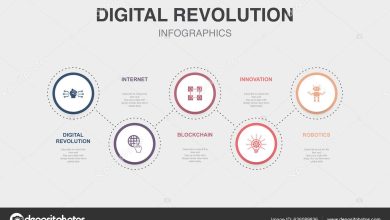
Software development is a dynamic field that drives technological advancements and innovation. From defining the process to exploring various aspects of development, this topic delves into the essentials of creating cutting-edge software solutions.
Overview of Software Development
Software development is the process of creating, designing, testing, and maintaining software applications. It plays a crucial role in the tech industry as it enables organizations to innovate, automate processes, and meet the needs of their customers.






Phases of the Software Development Life Cycle
The software development life cycle (SDLC) consists of several phases that ensure the successful delivery of a software product. These phases include:
- 1. Planning: This phase involves defining the scope, requirements, and objectives of the project.
- 2. Analysis: In this phase, the project team gathers and analyzes the requirements to understand the needs of the end-users.
- 3. Design: The design phase focuses on creating a blueprint of the software solution based on the gathered requirements.
- 4. Implementation: During this phase, the actual coding and development of the software take place.
- 5. Testing: Software testing is crucial to identify and fix bugs and ensure the quality of the product.
- 6. Deployment: The software is deployed to the production environment for end-users to access.
- 7. Maintenance: This phase involves regular updates, bug fixes, and enhancements to ensure the software remains functional and up-to-date.
Popular Methodologies in Software Development
There are several methodologies used in software development to manage and streamline the development process. Some popular methodologies include:
- 1. Agile: Agile methodologies focus on iterative development, collaboration, and responding to change quickly.
- 2. Waterfall: The waterfall model follows a linear sequential flow, with each phase dependent on the previous one.
- 3. Scrum: Scrum is a framework that emphasizes teamwork, accountability, and iterative progress towards a common goal.
- 4. Kanban: Kanban is a visual tool that helps teams manage their work and workflow efficiently.
Programming Languages in Software Development
Programming languages play a crucial role in software development, as they determine how developers communicate instructions to computers. Each language has its own syntax, rules, and features, making it essential to select the right one for a project.
Common Programming Languages
- Java: Known for its versatility and portability, Java is widely used in enterprise applications and Android app development.
- Python: Loved for its simplicity and readability, Python is popular in data science, machine learning, and web development.
- C++: Ideal for performance-critical applications, C++ is commonly used in game development and systems programming.
- JavaScript: Essential for front-end web development, JavaScript is also used in server-side development with Node.js.
- C#: Developed by Microsoft, C# is prominent in creating Windows applications and game development with Unity.
Importance of Selecting the Right Language
Choosing the appropriate programming language is vital as it directly impacts the project’s success. Factors such as project requirements, team expertise, scalability, and performance need to be considered when selecting a language.
Advantages and Disadvantages
| Programming Language | Advantages | Disadvantages |
|---|---|---|
| Java | Platform independence, strong community support | Verbose syntax, slower execution speed |
| Python | Easy to learn, extensive libraries | Slower execution speed for some applications |
| C++ | High performance, direct hardware interaction | Complex syntax, memory management challenges |
| JavaScript | Supports interactive web elements, versatile | Single-threaded, asynchronous programming complexities |
| C# | Great for Windows development, easy integration with .NET | Limited cross-platform support, proprietary language |
Tools and Technologies in Software Development
Software development relies on a variety of tools and technologies to streamline the coding process and ensure efficiency. From version control systems to integrated development environments (IDEs), these tools play a crucial role in the development lifecycle.
Version Control Systems
Version control systems are essential tools in software development that help track changes to code, collaborate with team members, and revert to previous versions if needed. Some popular version control systems include Git, SVN, and Mercurial.
- Allows multiple developers to work on the same codebase simultaneously.
- Tracks changes made to code, making it easier to identify and resolve issues.
- Facilitates collaboration by providing a centralized repository for code.
Integrated Development Environments (IDEs)
IDEs are software applications that provide comprehensive facilities to programmers for software development. They typically include a code editor, compiler, debugger, and other tools to simplify the coding process.
- Offers features like syntax highlighting, code completion, and debugging capabilities.
- Integrates with version control systems for seamless code management.
- Increases developer productivity by providing a unified environment for coding.
Front-end Development
Front-end development refers to the process of creating the visual and interactive elements of a website or application that users interact with directly. It focuses on the design, layout, and functionality of the user interface, aiming to provide a seamless and intuitive user experience.
Key Technologies and Frameworks
- HTML (Hypertext Markup Language): Used to structure the content of web pages.
- CSS (Cascading Style Sheets): Controls the presentation and styling of the content, enhancing the visual appeal.
- JavaScript: Enables dynamic behavior and interactivity on the web page, enhancing user engagement.
- React: A popular JavaScript library for building user interfaces, known for its component-based approach.
- Angular: A front-end framework maintained by Google, offering tools for building robust and scalable web applications.
Best Practices for Designing Responsive and User-friendly Interfaces
- Responsive Design: Ensure that the interface adapts smoothly to different screen sizes and devices, providing a consistent experience for users.
- Optimized Performance: Prioritize loading speed and minimize unnecessary elements to enhance user experience.
- Intuitive Navigation: Design clear and logical navigation paths to help users easily find what they are looking for.
- Accessibility: Ensure that the interface is accessible to users with disabilities, following best practices for web accessibility.
- User Feedback: Incorporate user feedback mechanisms to gather insights and improve the interface based on user preferences and behavior.
Back-end Development
Back-end development plays a crucial role in software applications by managing data, security, and the overall functionality of the application. It focuses on the server-side of the application, handling processes that occur behind the scenes to ensure the front-end user experience is seamless.
Server-side Languages
- Java: Known for its scalability and reliability, Java is widely used in enterprise-level applications.
- Python: Loved for its simplicity and readability, Python is great for rapid development and prototyping.
- PHP: Popular for web development, PHP is easy to learn and widely supported.
- Ruby: Known for its elegant syntax and productivity, Ruby on Rails is a popular framework for web development.
Databases and Server Management
- Databases: Essential for storing and managing data, databases like MySQL, PostgreSQL, and MongoDB are commonly used in back-end development.
- Server Management: Ensuring the smooth operation of servers is crucial for performance and security. Tools like Apache, Nginx, and Microsoft IIS are used for server management.
Full-Stack Development
Full-stack development refers to the ability to work on both the front-end and back-end of a web application. A full-stack developer is proficient in a wide range of technologies and can handle tasks that involve both the user interface and the server-side logic.
Skills Required for Full-Stack Development
- Proficiency in front-end technologies such as HTML, CSS, and JavaScript
- Experience with back-end technologies like Node.js, Python, or Java
- Knowledge of databases such as MySQL, MongoDB, or PostgreSQL
- Understanding of web architecture and API design
- Problem-solving and debugging skills
Advantages of Full-Stack Development
- Flexibility: Full-stack developers can work on all parts of a project, making them versatile team members.
- Efficiency: By understanding both front-end and back-end technologies, full-stack developers can streamline the development process.
- Better Communication: Full-stack developers can communicate effectively with different team members, as they have a holistic view of the project.
Popular Full-Stack Development Frameworks and Tools
- MEAN Stack: A full-stack framework that uses MongoDB, Express.js, Angular, and Node.js.
- MERN Stack: Similar to MEAN but replaces Angular with React.
- LAMP Stack: Combines Linux, Apache, MySQL, and PHP for full-stack development.
- Spring Boot: A popular Java framework for building full-stack applications.
Agile Methodology
Agile methodology is a flexible and iterative approach to software development that prioritizes customer satisfaction by delivering working software in incremental stages. This methodology values collaboration, adaptability, and responsiveness to change throughout the development process.
Principles of Agile Methodology
- Customer satisfaction through continuous delivery of valuable software
- Embrace changing requirements, even late in development
- Frequent delivery of working software
- Collaboration between developers and stakeholders
- Support for sustainable development pace
- Continuous attention to technical excellence and good design
- Simplicity
- Self-organizing teams
- Regular reflections on how to become more effective
Benefits of Using Agile
- Improved project visibility and transparency
- Enhanced adaptability to changing requirements
- Increased collaboration and communication among team members
- Early and continuous delivery of valuable software
- Higher customer satisfaction through frequent feedback
- Greater flexibility in responding to market changes
Common Agile Practices
- Scrum: An iterative and incremental framework for managing complex projects. It includes roles like Product Owner, Scrum Master, and Development Team, as well as events like Sprint Planning, Daily Stand-ups, Sprint Review, and Sprint Retrospective.
- Kanban: A visual management method to optimize work processes. It focuses on limiting work in progress, visualizing workflow, and maximizing efficiency.
Quality Assurance and Testing
Quality assurance plays a crucial role in software development as it ensures that the final product meets the desired quality standards, functions correctly, and satisfies user requirements. It involves the systematic monitoring and evaluation of the software development processes to identify and rectify any defects or errors.
Importance of Quality Assurance
Quality assurance is essential in software development to:
- Ensure the reliability and functionality of the software
- Identify and fix defects early in the development process
- Enhance customer satisfaction by delivering high-quality software
Types of Testing Methodologies
Various testing methodologies are used in software development to ensure software quality:
- Unit Testing: Testing individual components or modules of the software.
- Integration Testing: Testing the interaction between different components/modules.
- System Testing: Testing the entire system as a whole.
- Acceptance Testing: Testing the software to ensure it meets user requirements.
Role of Automated Testing
Automated testing plays a significant role in improving development efficiency by:
- Reducing manual testing efforts and time
- Increasing test coverage and accuracy
- Enabling continuous integration and deployment practices
DevOps Practices
DevOps is a set of practices that combines software development (Dev) and IT operations (Ops) to shorten the systems development life cycle and provide continuous delivery of high-quality software. It emphasizes collaboration, automation, and integration between development and operations teams.
Streamlining Collaboration between Development and Operations Teams
DevOps practices aim to break down silos between development and operations teams by promoting communication, collaboration, and shared responsibilities. By fostering a culture of trust and transparency, DevOps enables teams to work together seamlessly towards common goals.
- Implementing Continuous Integration (CI) and Continuous Deployment (CD) pipelines to automate the software delivery process.
- Utilizing Infrastructure as Code (IaC) to automate the provisioning and management of infrastructure.
- Monitoring application performance and infrastructure health to identify and resolve issues proactively.
- Leveraging containerization and orchestration tools like Docker and Kubernetes for deployment and scaling.
DevOps practices enable organizations to deliver software faster, with improved quality and reliability, by fostering collaboration and automation.
Popular DevOps Tools and their Impact on Continuous Integration and Deployment
DevOps tools play a crucial role in automating and streamlining the software development and deployment processes. These tools help teams achieve faster delivery cycles, reduce errors, and improve overall efficiency.
- Jenkins: A popular automation server used for building, testing, and deploying software.
- Git: A distributed version control system that enables collaboration and code management.
- Ansible: An open-source automation tool for configuration management and application deployment.
- Docker: A containerization platform that simplifies application packaging and deployment.
By leveraging DevOps tools, organizations can achieve faster time-to-market, increased productivity, and enhanced collaboration between development and operations teams.
Project Management in Software Development
Project management in software development plays a crucial role in ensuring the successful completion of projects within budget, scope, and schedule. Effective project management methodologies are tailored specifically for the unique challenges of software development projects. Project managers oversee the entire development process, from initial planning to final delivery, ensuring that all tasks are completed on time and within budget. Here are some key aspects of project management in software development:
Agile Project Management
Agile project management is a popular methodology in software development that emphasizes flexibility, collaboration, and iterative development. It allows for the adaptive planning of tasks and continuous improvement throughout the project lifecycle. Key principles of agile project management include:
- Iterative development cycles known as sprints
- Regular feedback from stakeholders
- Emphasis on collaboration and communication
- Flexibility to accommodate changing requirements
Waterfall Project Management
Waterfall project management is a traditional approach that follows a sequential process from initiation to deployment. Each phase must be completed before the next one begins, making it less flexible than agile methodologies. Key characteristics of waterfall project management include:
- Rigid project structure with defined phases
- Clear documentation and requirements upfront
- Minimal customer involvement until the final stage
- Strict adherence to the initial project plan
Effective Project Planning
Effective project planning is essential for the success of software development projects. It involves defining project goals, establishing a timeline, allocating resources, and identifying potential risks. Key strategies for effective project planning include:
- Breaking down the project into manageable tasks
- Setting realistic timelines and milestones
- Identifying dependencies and constraints
- Regularly monitoring progress and adjusting plans as needed
Emerging Trends in Software Development
With the rapid advancements in technology, the software development landscape is constantly evolving. Let’s explore some of the emerging trends shaping the future of software development.
AI Integration in Software Development
Artificial Intelligence (AI) is revolutionizing software development by automating tasks, improving decision-making processes, and enhancing user experiences. AI-powered tools are being used to streamline development workflows, optimize code, and even generate code snippets. The integration of AI in software development is expected to increase productivity and efficiency in the development process.
Blockchain Technology in Software Development
Blockchain technology is gaining traction in software development due to its secure and decentralized nature. It is being used for developing secure applications, implementing smart contracts, and ensuring data integrity. The use of blockchain technology in software development is expected to enhance transparency, security, and trust in applications.
Internet of Things (IoT) in Software Development
The Internet of Things (IoT) is connecting devices and enabling them to communicate with each other, leading to a massive influx of data. Software developers are leveraging IoT technology to create innovative applications for smart homes, healthcare, transportation, and more. The integration of IoT in software development is revolutionizing the way we interact with technology and the environment.
Growing Importance of Cybersecurity in Software Development
With the rise in cyber threats and data breaches, cybersecurity has become a critical aspect of software development. Developers are focusing on building secure applications, implementing encryption techniques, and following best practices to protect user data. The growing importance of cybersecurity in software development practices is essential to safeguarding sensitive information and maintaining trust with users.
Conclusion
In conclusion, software development encapsulates a diverse range of elements crucial for creating high-quality software products. Embracing the latest trends and technologies is key to staying competitive in this ever-evolving industry.

Digital content creator with an eye for detail and a focus on trending global topics.