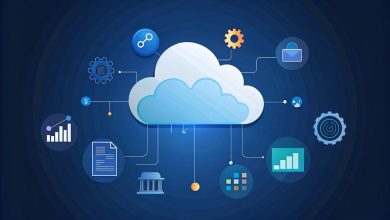
Edge computing sets the stage for this enthralling narrative, offering readers a glimpse into a story that is rich in detail and brimming with originality from the outset. It encompasses a paradigm shift in data processing that brings computing power closer to where data is generated, revolutionizing the way information is handled.
Overview of Edge Computing
Edge computing refers to the practice of processing data closer to the source of data generation rather than relying on a centralized data processing system. This approach allows for faster data processing, reduced latency, and improved efficiency in handling data-intensive tasks.





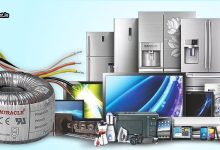
Edge devices are the hardware components responsible for data processing at the edge of the network. These devices are often equipped with sensors, processors, and storage capabilities to collect, analyze, and store data locally.
Examples of Edge Computing Applications
- Smart Cities: Edge computing is used in smart city applications to monitor traffic flow, manage energy consumption, and improve public safety through real-time data analysis.
- Industrial Internet of Things (IIoT): In industries like manufacturing and logistics, edge computing enables real-time monitoring of equipment, predictive maintenance, and automation of processes for increased productivity.
- Telecommunications: Edge computing is employed in telecommunication networks to reduce latency for services like video streaming, online gaming, and virtual reality applications.
- Retail: Retailers utilize edge computing for personalized marketing, inventory management, and customer analytics to enhance the shopping experience both online and in physical stores.
Benefits of Edge Computing
Edge computing offers several advantages that can greatly benefit organizations in various industries.
Efficiency and Speed
One of the key benefits of edge computing is its ability to process data closer to the source, reducing latency and improving response times. This leads to faster decision-making and more efficient operations.
Cost-Effectiveness
By processing data locally at the edge, organizations can reduce the amount of data that needs to be transferred to the cloud. This can result in cost savings on network bandwidth and storage expenses.
Improved Reliability
Edge computing can enhance the reliability of applications and services by reducing the dependence on a centralized data center. This distributed architecture minimizes the risk of downtime and ensures continuous operation even in the event of network disruptions.
Enhanced Security
With edge computing, sensitive data can be processed and stored locally, reducing the risk of data breaches during transit to the cloud. This decentralized approach enhances data security and privacy, making it an attractive option for organizations handling confidential information.
Scalability and Flexibility
Edge computing allows for the scalability of resources based on demand, enabling organizations to easily adapt to changing workload requirements. This flexibility ensures optimal performance and resource utilization, enhancing overall operational efficiency.
Edge Computing Architecture
Edge computing architecture consists of various components that work together to process data closer to the source. These components include edge servers, edge devices, and the cloud. Edge servers play a crucial role in this architecture by handling data processing tasks at the edge of the network.
Components of Edge Computing Architecture
- Edge Devices: These are the devices located at the edge of the network, such as sensors, cameras, and IoT devices, that collect data.
- Edge Servers: These servers are responsible for processing data locally, reducing latency and improving response times.
- Cloud Infrastructure: While edge computing offloads processing tasks to the edge, the cloud still plays a role in managing and storing data.
Examples of Edge Computing Infrastructure
- Smart Cities: Edge computing is utilized in smart city applications to process data from various sensors and devices in real-time.
- Industrial IoT: In industrial settings, edge computing infrastructure is used to monitor and control manufacturing processes efficiently.
- Telecommunications: Edge servers are deployed in telecommunications networks to deliver low-latency services to users.
Role of Edge Servers in Edge Computing
Edge servers act as intermediaries between edge devices and the cloud, processing data closer to the source. By doing so, edge servers help reduce latency, improve data security, and enhance overall performance in edge computing environments.
Edge Computing vs. Cloud Computing
Edge computing and cloud computing are two distinct paradigms in the realm of data processing and storage. While both serve as essential components of modern IT infrastructures, they differ in several key aspects.
Edge computing involves processing data closer to the source, at the edge of the network, where the data is generated. This allows for faster data processing and reduced latency since the data does not need to travel back and forth to a centralized data center. On the other hand, cloud computing relies on centralized data centers to store and process data, which can lead to higher latency for certain applications.
Scalability
- Edge Computing: Edge computing offers more scalability for applications that require real-time processing and low latency. Since data processing occurs closer to the source, edge devices can handle a larger volume of data without overwhelming the network.
- Cloud Computing: Cloud computing provides scalability through the use of virtualized resources in centralized data centers. While cloud services can scale dynamically based on demand, the latency introduced by data traveling to and from these centers may impact the scalability of real-time applications.
Data Processing
- Edge Computing: In edge computing environments, data processing occurs locally on edge devices or gateways. This allows for faster decision-making and reduced reliance on network connectivity. Edge computing is ideal for applications that require real-time data processing, such as IoT devices, autonomous vehicles, and industrial automation.
- Cloud Computing: In cloud computing, data processing takes place in centralized data centers located at a distance from the edge devices. While cloud services offer vast storage capabilities and computational power, the latency introduced by data traveling to and from the cloud may not be suitable for applications that require real-time processing.
Edge Devices and Sensors
Edge devices and sensors play a crucial role in edge computing by collecting and processing data close to the source. This helps in reducing latency and bandwidth usage while improving overall system efficiency.
Types of Edge Devices and Sensors
- Smartphones and tablets: These portable devices often have built-in sensors like GPS, accelerometers, and gyroscopes, making them ideal for edge computing applications.
- Industrial IoT sensors: Devices used in industries for monitoring parameters like temperature, pressure, and humidity provide real-time data for immediate analysis and decision-making.
- Smart home devices: Connected devices such as smart thermostats, cameras, and door sensors enable homeowners to control and monitor their homes remotely.
Importance of Edge Devices in IoT Ecosystems
Edge devices are crucial in IoT ecosystems as they help in processing data locally, reducing the need to send large amounts of data to the cloud. This results in faster response times, improved security, and increased efficiency in IoT applications.
Examples of Edge Devices in Smart Home Applications
- Smart thermostats: Devices like Nest Thermostat use edge computing to analyze temperature patterns and adjust settings accordingly without relying on cloud servers.
- Smart cameras: Security cameras equipped with edge computing capabilities can detect motion and send alerts directly to homeowners, without the need for constant internet connectivity.
- Smart door locks: Edge devices in smart door locks allow users to unlock their doors remotely and receive notifications when someone enters or exits their home.
Edge Computing Security
When it comes to edge computing, security is a paramount concern due to the distributed nature of data processing and storage. As data is processed closer to the edge devices, it introduces new challenges and vulnerabilities that need to be addressed to ensure the integrity and confidentiality of the data.
Security Challenges in Edge Computing
- Increased attack surface: With data being processed at the edge, there are more entry points for potential cyber attacks.
- Bandwidth limitations: Limited bandwidth at the edge can make it difficult to implement robust security measures.
- Physical security risks: Edge devices are often deployed in unsecured environments, making them susceptible to physical tampering.
Enhancing Data Security in Edge Computing
- Encryption: Implementing end-to-end encryption can help protect data as it moves between edge devices and the central server.
- Access control: Setting up strict access control policies ensures that only authorized users can interact with edge devices and data.
- Authentication: Implementing strong authentication mechanisms can prevent unauthorized access to edge devices and sensitive data.
Security Measures for Edge Computing Environments
- Firewalls: Deploying firewalls at the edge can help filter out malicious traffic and protect edge devices from cyber attacks.
- Intrusion detection systems: Using IDS can help detect and respond to security incidents in real-time, enhancing the overall security posture.
- Secure boot mechanisms: Implementing secure boot processes ensures that only trusted software is loaded onto edge devices, reducing the risk of malware attacks.
Edge Computing Use Cases
Edge computing has a wide range of applications across various industries, providing real-time data processing and analytics closer to the source. This proximity allows for faster decision-making, reduced latency, and improved efficiency in critical operations. Let’s explore some of the use cases where edge computing plays a significant role:
Manufacturing Industry
In the manufacturing sector, edge computing is used to optimize production processes, monitor equipment health in real-time, and ensure quality control. By deploying edge devices on the factory floor, manufacturers can collect and analyze data instantly, leading to predictive maintenance, reduced downtime, and overall cost savings.
Healthcare Sector
Edge computing is revolutionizing healthcare by enabling remote patient monitoring, personalized treatment plans, and efficient data management. With the help of edge devices and sensors, healthcare providers can deliver timely interventions, improve patient outcomes, and enhance the overall quality of care while ensuring data security and privacy.
Transportation and Logistics
In the transportation and logistics industry, edge computing is utilized for route optimization, vehicle tracking, and supply chain management. By processing data at the edge, companies can enhance delivery schedules, minimize fuel consumption, and streamline operations, leading to improved customer satisfaction and reduced operational costs.
Smart Cities
Edge computing is instrumental in building smart cities by enabling connected infrastructure, smart grids, and intelligent traffic management systems. By leveraging edge devices and sensors, city authorities can monitor traffic flow, optimize energy usage, and enhance public safety, contributing to sustainable urban development and improved quality of life for residents.
Retail Sector
In the retail industry, edge computing is transforming the customer experience through personalized marketing, inventory management, and efficient checkout processes. By analyzing data at the edge, retailers can tailor promotions, optimize stock levels, and provide seamless shopping experiences both online and in-store, driving customer loyalty and increasing sales.
Edge Computing Technologies
Edge computing technologies encompass a wide range of tools and solutions that enable processing data closer to the source, reducing latency and enhancing overall performance. These technologies play a crucial role in supporting the growing demand for real-time data processing and analysis in various industries.
AI and Machine Learning Integration
AI and machine learning are increasingly being integrated into edge computing solutions to enable more advanced analytics and decision-making at the edge. By deploying machine learning models directly on edge devices, organizations can achieve faster insights and responses without relying on centralized cloud servers. This integration allows for real-time processing of data streams, enabling predictive maintenance, anomaly detection, and other AI-driven applications at the edge.
- Machine learning algorithms optimized for edge devices
- Real-time data analysis and decision-making
- Reduced dependence on cloud resources for AI processing
- Enhanced privacy and security by processing sensitive data locally
Role of 5G Networks
5G networks play a crucial role in enabling the capabilities of edge computing by providing high-speed, low-latency connectivity to edge devices. With the advent of 5G technology, edge computing solutions can leverage the increased bandwidth and reduced latency to deliver real-time applications and services efficiently. The combination of 5G networks and edge computing opens up new possibilities for innovative use cases across various industries.
- Ultra-low latency for real-time applications
- High bandwidth to support data-intensive processes
- Improved connectivity for remote edge devices
- Enhanced reliability and performance of edge computing solutions
Edge Computing Challenges
Implementing edge computing solutions comes with its own set of challenges that organizations need to address in order to fully leverage the benefits of this technology.
Bandwidth Limitations
One of the major challenges in edge computing is the limitation of bandwidth. As data processing happens closer to the edge devices, there can be constraints on the amount of data that can be transferred to the cloud or central data center.
- Implementing data compression algorithms can help reduce the amount of data that needs to be transmitted, optimizing bandwidth usage.
- Utilizing edge analytics to filter and process data at the edge can also help in reducing the amount of data that needs to be sent to the cloud.
Latency Issues
Another challenge in edge computing is latency. Processing data at the edge requires quick response times, which can be hindered by latency issues in the network.
- Deploying edge servers closer to the edge devices can help minimize latency and improve response times.
- Utilizing edge caching techniques can also help in storing frequently accessed data closer to the edge, reducing the need to fetch data from the cloud.
Security Concerns
Security is a significant challenge in edge computing, as edge devices are often more vulnerable to cyber attacks compared to centralized data centers.
- Implementing strong encryption protocols and secure communication channels can help protect data transmitted between edge devices and the cloud.
- Regular security audits and updates for edge devices can help in identifying and fixing vulnerabilities in a timely manner.
Concluding Remarks
In conclusion, edge computing emerges as a transformative force in the realm of data processing, promising enhanced efficiency, reduced latency, and improved security. As industries increasingly adopt this technology, the possibilities for innovation and optimization are boundless.

Digital content creator with an eye for detail and a focus on trending global topics.