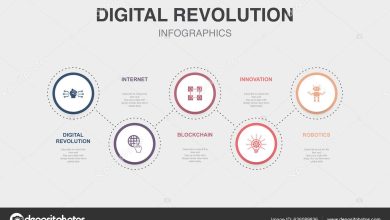
Artificial intelligence, a cutting-edge technology reshaping industries, is a fascinating field that encompasses various aspects of intelligent systems. From machine learning to robotics, AI is at the forefront of innovation, continuously evolving to redefine our future.
This overview delves into the intricacies of artificial intelligence, shedding light on its definition, applications, history, and ethical considerations. By exploring the realms of machine learning, natural language processing, computer vision, and robotics, we uncover the transformative impact of AI on society and the intricate balance between technological advancement and ethical responsibility.






Definition and Overview of Artificial Intelligence
Artificial Intelligence (AI) refers to the simulation of human intelligence processes by machines, particularly computer systems. These processes include learning, reasoning, problem-solving, perception, and decision-making. AI has a wide range of applications across various industries, including healthcare, finance, transportation, and more.
History and Evolution of Artificial Intelligence
Artificial Intelligence has a rich history dating back to the 1950s when the term was first coined. Over the years, AI has evolved significantly, with major advancements in machine learning, neural networks, natural language processing, and robotics. The field has seen both periods of hype and disillusionment, leading to the current era of AI renaissance.
Key Components and Types of Artificial Intelligence Systems
- Machine Learning: AI systems that can learn from data and improve over time without being explicitly programmed.
- Neural Networks: AI models inspired by the human brain, consisting of interconnected nodes that process information.
- Natural Language Processing: AI technology that enables computers to understand, interpret, and generate human language.
- Robotics: AI systems that interact with the physical world, performing tasks such as autonomous navigation and object manipulation.
Machine Learning in Artificial Intelligence
Machine learning is a subset of artificial intelligence that focuses on the development of algorithms and models that allow computers to learn from and make decisions based on data. It enables machines to improve their performance on a task over time without being explicitly programmed.
Supervised Learning
Supervised learning is a type of machine learning where the algorithm is trained on a labeled dataset, meaning that the input data is paired with the correct output. The algorithm learns to map input to output by adjusting its parameters based on the error between predicted and actual output. Examples of supervised learning algorithms include Linear Regression, Support Vector Machines, and Decision Trees.
Unsupervised Learning
In unsupervised learning, the algorithm is trained on unlabeled data, and its goal is to find patterns or relationships within the data. The algorithm learns to group similar data points together without any predefined labels. Clustering algorithms like K-Means and Hierarchical Clustering are examples of unsupervised learning.
Reinforcement Learning
Reinforcement learning involves an agent that learns to make decisions by interacting with an environment. The agent receives feedback in the form of rewards or penalties based on its actions, and its goal is to maximize the cumulative reward over time. Examples of reinforcement learning algorithms include Q-Learning, Deep Q Networks, and Policy Gradient methods.
Natural Language Processing (NLP) in Artificial Intelligence
Natural Language Processing (NLP) plays a crucial role in artificial intelligence by enabling machines to understand, interpret, and generate human language. It focuses on the interactions between computers and human languages, allowing computers to process and analyze large amounts of natural language data.
Role of NLP in Artificial Intelligence
NLP in artificial intelligence is used to extract meaning from text data, enabling machines to comprehend human language in a way that was previously impossible. It involves various techniques such as text analysis, sentiment analysis, and language translation, contributing to advancements in chatbots, virtual assistants, and language processing applications.
Applications of NLP
- Chatbots: NLP is used in chatbots to understand user queries, provide relevant responses, and engage in natural language conversations.
- Language Translation: NLP technology is utilized in language translation services to accurately translate text from one language to another, improving communication across different linguistic backgrounds.
Challenges and Advancements in NLP Technology
- Challenges: NLP faces challenges such as ambiguity in language, understanding context, and handling slang or informal language. Additionally, processing large volumes of text data efficiently remains a challenge for NLP systems.
- Advancements: Recent advancements in NLP technology include the development of transformer models like BERT and GPT-3, which have significantly improved natural language understanding and generation capabilities. These models have paved the way for more accurate and context-aware language processing applications.
Computer Vision and Image Recognition
Computer vision is a field of artificial intelligence that enables machines to interpret and understand visual information from the real world. It involves the development of algorithms and techniques to help computers gain a high-level understanding of images and videos. This capability is crucial for various applications in different industries, including healthcare, automotive, security, and more.
AI in Image Recognition and Object Detection
Image recognition is a key application of AI in computer vision, allowing machines to identify and classify objects within images or videos. This technology uses deep learning algorithms to analyze visual data and make accurate predictions about the content of the images. Object detection, on the other hand, goes a step further by not only recognizing objects but also locating them within the image.
- AI-powered image recognition systems are used in autonomous vehicles to identify pedestrians, traffic signs, and other vehicles on the road.
- In healthcare, computer vision technology helps doctors analyze medical images such as X-rays and MRIs for accurate diagnosis and treatment planning.
- Retailers use image recognition to enhance customer experience through personalized recommendations based on visual data from cameras and smartphones.
Robotics and Artificial Intelligence
Robotics and Artificial Intelligence (AI) are closely intertwined fields that work together to create intelligent machines capable of performing tasks autonomously. AI enhances robotic capabilities by enabling them to adapt to changing environments, learn from experience, and make decisions based on data analysis.
AI in Robotics
AI plays a crucial role in enhancing the capabilities of robots in various industries. By incorporating AI algorithms and machine learning techniques, robots can perform complex tasks with precision and efficiency. For example, AI-powered robots in manufacturing can optimize production processes, detect defects in real-time, and improve overall productivity.
- Healthcare: Robots powered by AI can assist in surgeries, patient care, and drug dispensing, improving accuracy and reducing human error.
- Agriculture: AI-powered robots can automate tasks such as planting, harvesting, and monitoring crop health, leading to increased crop yield and reduced labor costs.
- Logistics: Robots equipped with AI capabilities can optimize warehouse operations, automate inventory management, and enhance order fulfillment processes.
Ethical Implications of Artificial Intelligence
Artificial Intelligence (AI) has brought about numerous technological advancements, but it also raises significant ethical concerns that must be addressed. As AI systems become more prevalent in various aspects of society, it is crucial to consider the ethical implications associated with their use.
Biases and Fairness Issues in AI Algorithms
AI algorithms are designed to make decisions based on data, but they can inadvertently perpetuate biases present in the data they are fed. This can lead to unfair outcomes, particularly in areas like hiring, lending, and criminal justice. It is essential to address these biases and strive for fairness in AI algorithms to ensure equitable outcomes for all individuals.
Responsible AI Development and Deployment
Responsible AI development involves creating systems that prioritize transparency, accountability, and ethical considerations. Developers and organizations must ensure that AI technologies are used in ways that benefit society as a whole and do not cause harm or perpetuate discrimination. It is crucial to establish guidelines and regulations to govern the ethical use of AI and hold developers accountable for their creations.
Current Trends and Innovations in Artificial Intelligence
Artificial Intelligence is a rapidly evolving field with continuous advancements and innovations shaping its future. Let’s explore some of the current trends and emerging developments in AI.
Explainable AI
Explainable AI, also known as XAI, is gaining traction as a crucial trend in artificial intelligence. It focuses on creating AI systems that can provide transparent and understandable explanations for their decisions and actions. This trend is essential for enhancing trust in AI technologies, especially in critical applications such as healthcare and finance.
AI Ethics
Ethical considerations in AI have become a significant focus in recent years. As AI systems become more pervasive in society, ensuring ethical behavior and accountability is paramount. From bias in algorithms to data privacy concerns, addressing ethical implications is crucial for the responsible development and deployment of AI technologies.
Impact on Different Sectors
AI is transforming various sectors, including healthcare, finance, and transportation. In healthcare, AI is revolutionizing diagnostics, personalized medicine, and patient care. In finance, AI is being used for fraud detection, risk assessment, and algorithmic trading. In transportation, AI is driving advancements in autonomous vehicles, traffic management, and logistics optimization.
Future Prospects of Artificial Intelligence
Artificial Intelligence (AI) is poised to revolutionize various aspects of our lives in the coming years. The future growth and potential of AI technology are vast, with numerous opportunities and challenges on the horizon. Let’s delve into the exciting prospects that AI holds for the future.
AI Technology Advancements
AI technology is expected to advance rapidly, with increased capabilities in areas such as deep learning, neural networks, and natural language processing. This growth will lead to the development of more sophisticated AI systems that can perform complex tasks with greater efficiency and accuracy.
- Advancements in AI algorithms will enable machines to learn and adapt in real-time, leading to more personalized experiences for users.
- Improved computational power and data processing capabilities will fuel the development of AI applications in various industries, ranging from healthcare to finance.
- The integration of AI with other technologies like the Internet of Things (IoT) and blockchain will create new opportunities for innovation and automation.
Societal Impact of AI
AI is set to shape the future of society and work by transforming how we interact with technology and each other. The widespread adoption of AI technologies will have far-reaching implications for various sectors, including healthcare, education, and transportation.
- AI-driven solutions will enhance healthcare services, leading to improved diagnosis, treatment, and patient care.
- In education, AI-powered tools will personalize learning experiences, helping students achieve better outcomes and acquire new skills more effectively.
- The automation of routine tasks through AI will revolutionize the workforce, creating new job opportunities while also raising concerns about job displacement.
Ethical Considerations
As AI becomes more prevalent in our daily lives, ethical considerations surrounding its use will become increasingly important. Ensuring that AI systems are developed and deployed responsibly will be crucial in mitigating potential risks and ensuring positive outcomes for society.
It is essential to address issues related to bias, transparency, and accountability in AI systems to uphold ethical standards and promote trust among users.
Overall, the future prospects of artificial intelligence are promising, with the potential to drive innovation, improve efficiency, and transform the way we live and work. By addressing the challenges and opportunities that lie ahead, we can harness the full potential of AI technology for the benefit of society.
Artificial General Intelligence (AGI) vs. Narrow AI
Artificial General Intelligence (AGI) and Narrow AI represent two different levels of artificial intelligence capabilities. AGI aims to create machines that can perform any intellectual task that a human can do, while Narrow AI focuses on specific tasks and functions.
Difference between AGI and Narrow AI:
- AGI is designed to have human-like cognitive abilities and flexibility across a wide range of tasks, while Narrow AI is limited to performing specific tasks or functions.
- AGI involves developing machines that can reason, learn, and adapt in various situations, whereas Narrow AI is programmed for a predefined set of tasks.
- AGI strives for a level of intelligence that can mimic human intelligence in diverse scenarios, while Narrow AI excels in performing repetitive tasks efficiently.
Challenges and Implications of Achieving AGI:
- Developing AGI poses significant technical challenges due to the complexity of replicating human-like cognitive functions in machines.
- Ensuring the ethical use of AGI technology and addressing concerns related to privacy, security, and decision-making processes are crucial implications to consider.
- The potential impact of AGI on job displacement, societal norms, and power dynamics requires careful consideration and strategic planning.
Potential Benefits and Risks Associated with AGI Development:
- AGI has the potential to revolutionize various industries, enhance problem-solving capabilities, and accelerate scientific advancements through its versatile intelligence.
- On the flip side, the risks associated with AGI development include the potential for misuse, unintended consequences, and ethical dilemmas arising from autonomous decision-making by intelligent machines.
- Ensuring responsible development and regulation of AGI technology is essential to harness its benefits while mitigating potential risks to society and individuals.
Summary
In conclusion, artificial intelligence stands as a beacon of technological advancement, offering boundless opportunities while raising critical ethical questions. As we navigate the complexities of AI, embracing its potential while mitigating its risks, we stand at the precipice of a new era defined by innovation and responsibility.

Digital content creator with an eye for detail and a focus on trending global topics.